
The top ten
Killers of the Flower Moon
Pacifiction
One Fine Morning
May December
Earth Mama
Barbie
R.M.N.
Polite Society
Godzilla Minus One
The Royal Hotel
Film of the Year
Killers of the Flower Moon

A late-career, self-reflexive masterpiece from Martin Scorsese, Killers of the Flower Moon is an angry indictment of white evils performed against the indigenous Osage people all for a little bit of money. It exposes the rote virus of capitalist greed, the sociopathic blinkeredness of the racist and throws the audience a bitter pill with its maverick coda. Marty steps out from behind the camera and places himself on trial here, and we’re all his accomplices. A movie that lives on and on in the mind, and the second time Lily Gladstone has led a work of art to the top of an end of year list at The Lost Highway Hotel.
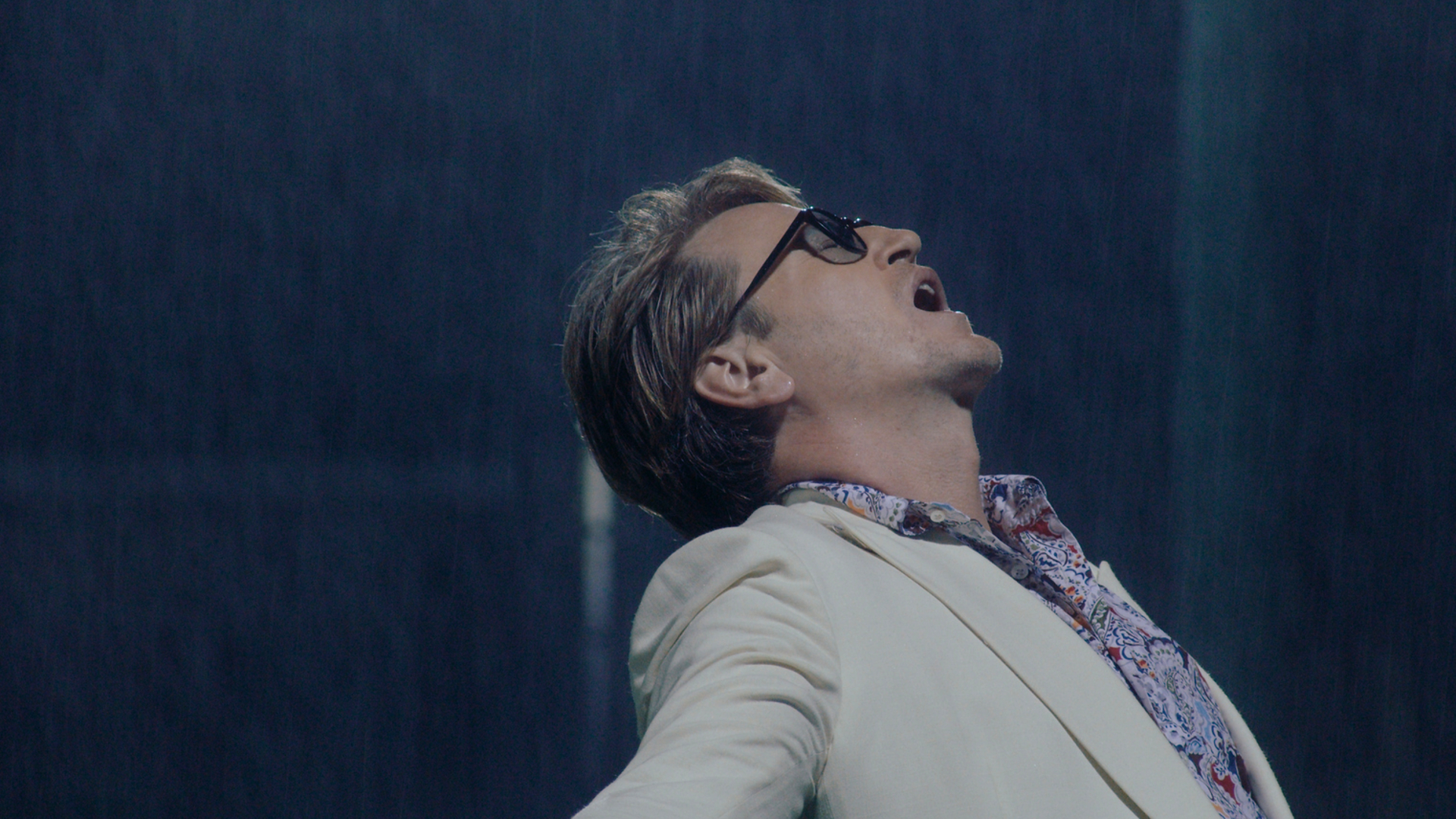
Mr. De Roller (Benoît Magimel), High Commissioner to the French Polynesian island of Tahiti, finds himself caught in a web of intrigue and paranoia surrounding a rumour that Nuclear testing is to resume in the area. Set to its own patiently hypnotic rhythms, Pacificion plays out in a hot, heavy, hedonistic milieu against a backdrop of the island’s languid sex-trafficking tourist trade, and the bristling throng of political parties staking their claim on the peripheries. A seven-minute oceanic set piece mid-film sees director Albert Serra mimicking the muscular gravitas of Coppola’s Apocalypse Now; an extraordinary sequence nestled within a sprawling and hazy fever dream.
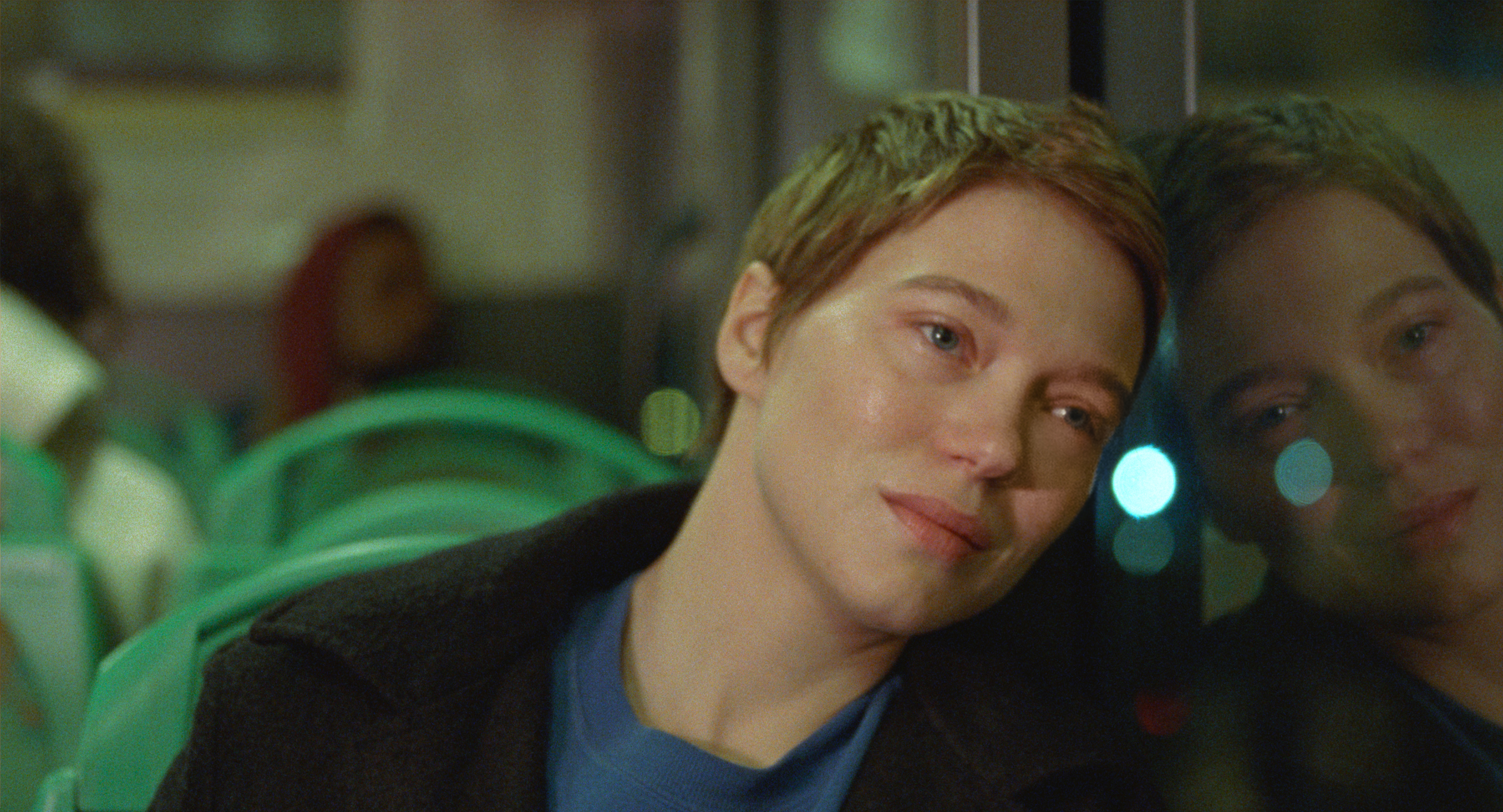
The cinema of Mia Hansen-Løve is so often swept up in the inexorable passage of time – perpetually racing forward – that it seldom takes stock or turns nostalgic. With her achingly real latest, One Fine Morning, that changes. Sandra (a beautifully grounded Léa Seydoux) deals with the slow goodbye of her father’s Alzheimer’s, ferrying him from one care home to another. This tragic ordeal is countered by her rediscovery of love via the reappearance of an old friend, Clément (Melvil Poupaud), who opens up intimate new possibilities in her life while remaining frustratingly unavailable. Itemising these disparate emotional charges side-by-side, Hansen-Løve conveys how multifaceted and contradictory life is. Maybe even how complimentary. Here heartbreak and joy coexist, traversing modern day Paris. Exquisite.

Todd Haynes’ welcome return to high-wire melodrama is all about performance. Successful actor Elizabeth Berry (Natalie Portman) is researching an upcoming role in a ripped-from-reality TV movie based on the life of Gracie Atherton-Yoo (Julianne Moore), a woman arrested some years previously for having sex with a minor… with whom she has since raised a family. The ensuing film is a delectable delight with the two women circling one another, putting up fronts, warping their own motivations and the truth. Portman is as good as she’s ever been, but the secret weapon here is Charles Melton as Joe, a man caught in arrested development from years of living with his abuser. Haynes skirts camp playfully, before revealing a trio of hideously complex people arranging one another’s downfall.
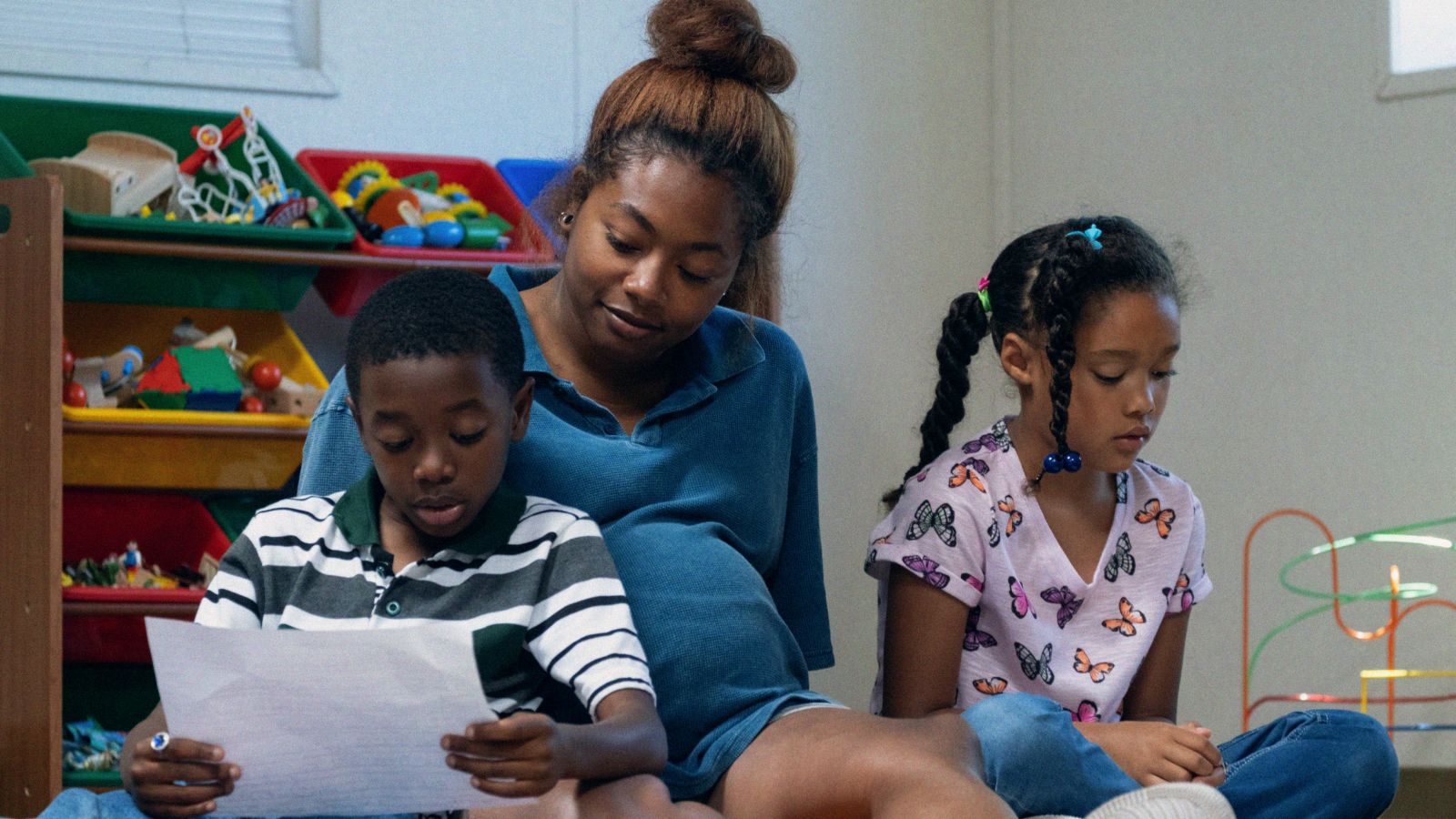
Savanah Leaf’s feature length directorial debut feels – immediately – like the work of a strong, focused and singular new talent. The British-American former-Olympian dug deep into a specific micro climate (the poverty line margins of Bay Area Black society) to deliver an empathetic missive on the pitfalls of government bureaucracy. Tia Nomore gives one of the year’s best performances as Gia; a pregnant single-mother with two kids claimed by the system already, now considering giving her imminent newborn up for adoption. Leaf’s patience and faith behind the camera is tangible, while cinematographer Jody Lee Lipes and composer Kelsey Lu carry this 16mm tale to us on a blissful wave that softens the social realist body blows.

Given this pinnacle of corporate IP was being shepherded to us by Greta Gerwig and Noah Baumbach, there was some expectation that Barbie would offer something a bit different from the usual, but was anyone really prepared for a simple brand extension to be this much fun, this ostentatious, this communicative with its audience across gender and generational lines? Margot Robbie and Ryan Gosling both give career-best performances in a deeply funny spectacle packed with cineaste hat-tips from a script that deconstructs the product’s past and present. Detractors may label it Feminism 101 but, as introductions go, this is going to be as formative as the doll it brings to life. Gloriously odd for a billion dollar movie, it’s exceedingly rare that pop cinema is this good. More than Kenough.
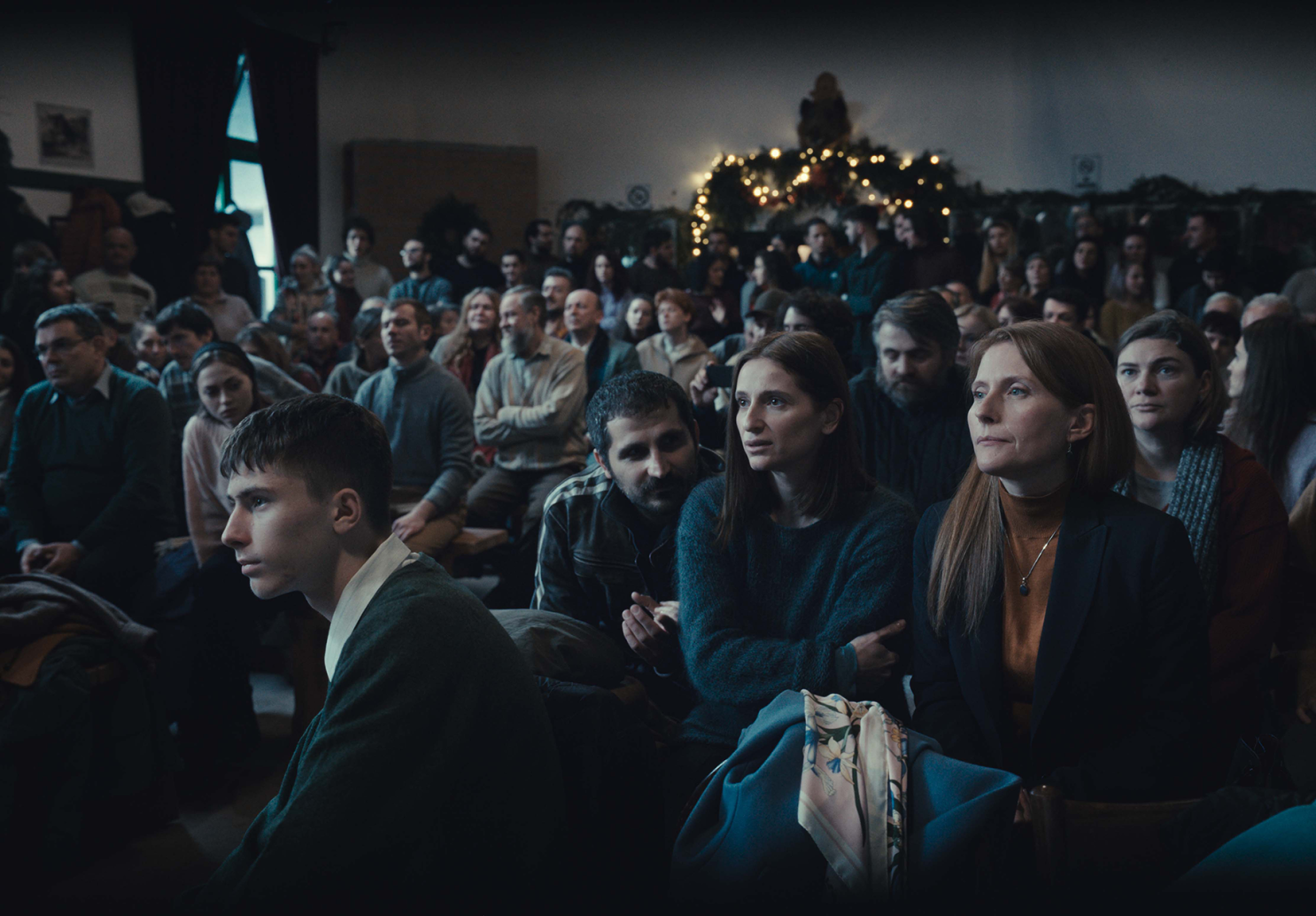
Few films this year festered as much as Cristian Mungiu’s R.M.N. (the Romanian equivalent of a neurological MRI), a deep-dive into Transylvanian identity and nationalism. The hiring of African immigrants at a local bakery sets ripples of discontent out among the villagers in this brooding epic, the centrepiece of which is a staggeringly controlled 17 minute townhall debate captured in one sternly static take; the very definition of organised chaos. From class tensions to racial hypocrisies, folklore superstitions to the film’s staggering/confounding ‘resolution’. R.M.N. covers a lot of territory, yet never feels anything but severely – even grimly – focused.

Nida Manzoor’s Polite Society has its clear antecedents – not just in Western cinema but in South Asian cinema also – and owes a conspicuous debt to Edgar Wright’s adaptation of Scott Pilgrim… and yet the film also feels so magnetically present, so thoroughly now. A jovial comic attack on tradition and patriarchal values that simultaneously lives and breathes the pride of its cultural ancestry, Polite Society sees British-Pakistani youth Ria Khan (Priya Kansara) dreaming of a future as a stuntwoman, wrestling with her older sister’s impending nuptials and finding herself in a bizarre Get Out-inspired conspiracy in the process. Puckish and hilarious, this feels like a revitalisation of British cinema. It’s mistreatment by its distributor earlier this year was all the more maddening. Catch up.

Toho’s celebration of 70 years of Godzilla unexpectedly gave us one of the great action spectacles of the decade so far, as director Takashi Yamazaki juggles homage to series originator and master Ishirō Honda with tilts to western blockbuster titans Steven Spielberg and Christopher Nolan. Predating the events of Honda’s 1954 film and effectively re-writing the series’ history, Yamazaki cleaves close to the original (fool-proof) template but broadens the analogy to depict a post-war Japan reconciling with its own PTSD, and working out what’s worth living for as it begins reconstruction. The implementation of Akira Ifukube’s legendary theme encircles this movie with the first; a phenomenally potent act of nostalgia and a direct serotonin hit for monster-lovers everywhere.

Kitty Green’s second narrative feature eschews some of the subtlety of her justly celebrated and steely response to #MeToo – The Assistant – in favour of a more pointed genre effort set deep in the dusty and timeless outback of Australia. Julia Garner and Jessica Henwick are backpacking Americans (masquerading as Canadians) short on cash, who take work at the rural pub of the title and find themselves pitted against a community of bawdy miners. Contemporary impatience for behaviour reform abuts traditional ‘values’ as Green racks up the tension. The general response was mixed and muted, but here it stood out as one of the year’s best.
The best of the rest…
Fallen Leaves
TÁR
Ferrari
Past Lives
1976
Reality
Saint Omer
How to Blow Up a Pipeline
Alcarràs
De Humani Corporis Fabrica
The Boy and the Heron
The Eternal Daughter
The Fabelmans
All the Beauty and the Bloodshed
The Five Devils
Rye Lane
Mission: Impossible – Dead Reckoning Part 1
Trenque Lauquen
Saw X
Napoleon

 The Lost Highway Hotel