

Director: Ira Sachs
Stars: Rebecca Hall, Ben Whishaw
A catalogue of time, cataloguing time, cataloguing time, Ira Sachs’ splendid miniature feature Peter Hujar’s Day doesn’t attempt to hide its artifice; it makes it part of the form and texture. The slate before the opening take is left in the picture, so too a much later snippet of the lighting set-up as actors Ben Whishaw and Rebecca Hall wait for the mise-en-scène to be constructed. A slightly fluffed line doesn’t ruin a take, but give it naturalism. This deliberate messiness might read as arch or affected in lesser hands or in another work, but here they add an interesting extra dimension to a film about how we organise and compartmentalise. How art documents, changes and reconstructs fragments of time.
In 1974 Linda Rosenkrantz started work on an ultimately abandoned project to interview her artsy New York friends about a single day in their lives, recording their anecdotes to tape. Text at the top of the picture tells us these tapes were lost, but in 2019 a transcript of her interview with photographer pal Peter Hujar was uncovered among some archives. Sachs’ film dramatises that conversation, spreading it out over the course of an ordinary day in Hujar’s apartment.
Ben Whishaw plays Hujar, tasked with effectively a 70-minute monologue that’s cut up into sessions throughout an afternoon and evening, with Rebecca Hall mostly playing an attentive role as Rosenkrantz. To these tone deaf ears, Whishaw falls beautifully into the twangs and patter of an instilled New Yorker, and what he renders is among the more pared back (yet giving) performances of his career. Hall’s contribution isn’t immaterial in spite of the notable imbalance in their lots. With similarly subtle movements, gestures and comments, she conveys paragraphs about Rosenkrantz’s relationship to Hujar; their friendly intimacy; her doting concerns for his well-being.
Hujar’s account mainly revolves around a recent afternoon spent photographing Allen Ginsberg; a fairly incredible titbit of NY lore wonderfully undersold by Whishaw as Hujar catalogues the gripes and frustrations of working with the hipster poet. Encouraged by Rosenkrantz to go into extreme detail of every nuance of the day, Hujar redrafts his memories in front of us. Adding. Correcting. Editing. Exposing the intangibility of memory, reminding us that the past is truly gone, and our perceptions of it are faulty. The world voraciously disappears behind us.
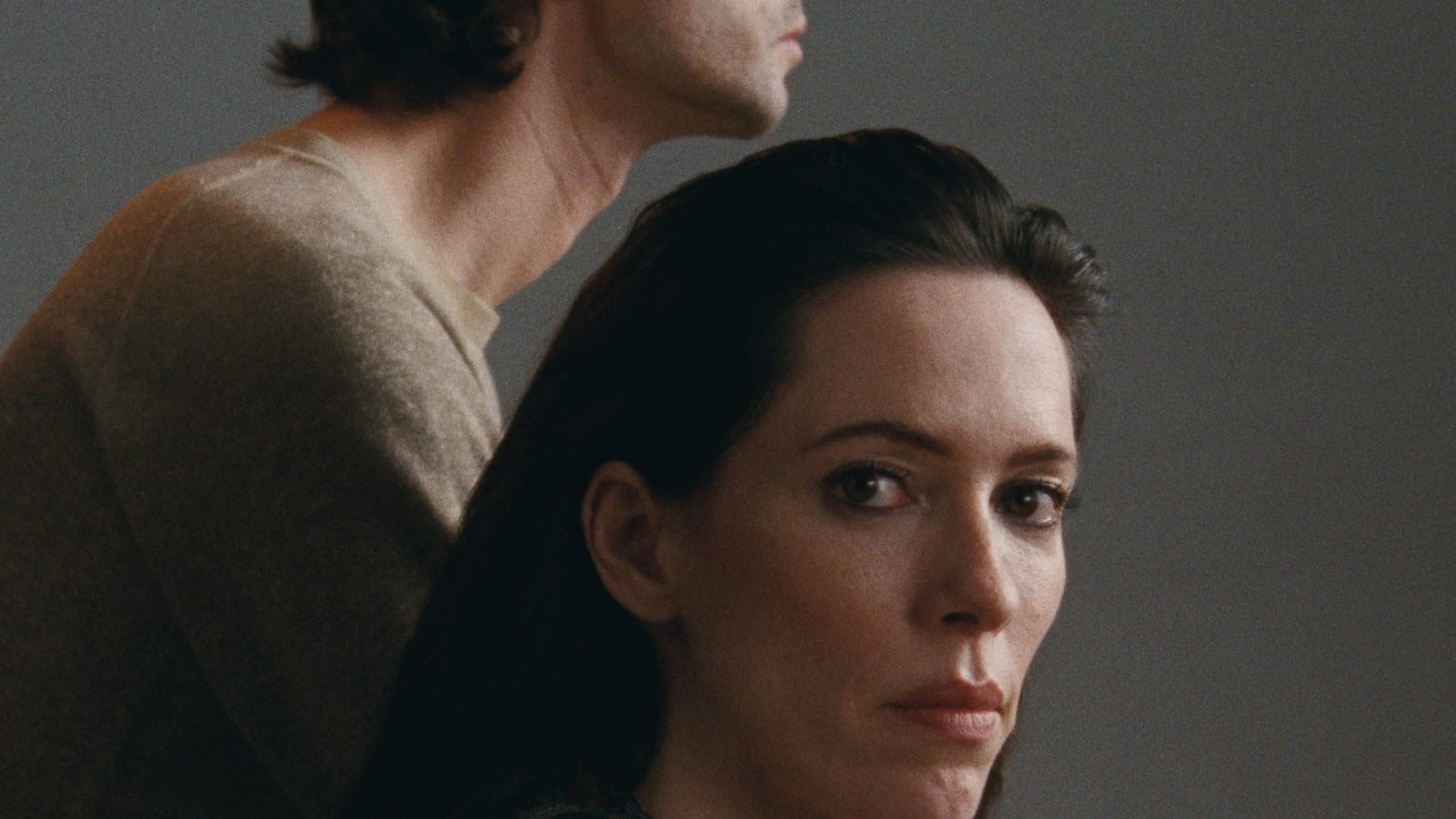
Inspired by their subject, Sachs and DP Alex Ashe make Peter Hujar’s Day as much about how one chooses to frame a composition. The gorgeous 16mm stock evidences its own richness of texture, but adjustments in focus, depth of field and the blocking of the two actors repeatedly yield elegant results without overplaying or upstaging Hujar’s cascading anecdotes. It’s formally reminiscent, perhaps, of Fassbinder’s approach to such chamber pieces as The Bitter Tears of Petra Von Kant, or Bergman around Persona. But the mood is more casual than these reference points. Airier, grungier, more in-keeping with always-cool temperament of the Lower East Side. It’s like watching a master’s home movies.
In the telling of his story, with so much minutiae, Hujar becomes amazed at the contradictions of his day. How so much and so little happens. How every day is like that. And one senses the greater truths that Rosenkrantz’s sadly defunct project was grasping toward. Like the great novels set in a single day – Mrs. Dalloway, Ulysses, After Dark – she’s approaching some representation of the transcendent within the ordinary. The profundity of moments. Sachs follows her.
Because of this nagging, knottier intrigue, it’s easy to forgive or pass over some of the more impenetrable name-dropping of Hujar’s tale. One need not feel lost not being an expert on the arts scene in ’70s Manhattan. Whishaw’s creation of Hujar is feast enough, and the way Sachs frames what Whishaw is doing creates a humdrum yet magical intimacy. A minor major work, or a major minor work? Either way, Peter Hujar’s Day ranks among the more giving expressions so far from either Whishaw or Sachs.

 The Lost Highway Hotel