
Director: David Michôd
Stars: Sydney Sweeney, Ben Foster, Katy O’Brian
Red carpet mainstay and ever-trending talking point she may be, but Sydney Sweeney’s already proven herself as an actor of quality in the likes of Nocturne and Reality. Notably, the 27-year-old megastar touted as one of the most glamorous women on the planet has shown a running penchant for playing against this, as though all that superficial focus has given her something to prove. Star and producer of this sports biopic of female boxing champion Christy Martin, this is Sweeney’s third film of the year following overwrought melodramas Echo Valley and Eden and another unvarnished, raw human character. It’s seemingly of note that she gained weight to portray Martin, and it’s another quality turn, far from the tabloid persona that attracts so much media attention, which has so far only reflected in her screen work during frothy Shakespeare-lite romcom Anyone But You.
Sweeney’s keen to be taken seriously, something that chimes with Christy Martin (née Salters), in a sweeping life story that catalogues key years between 1989 and 2010 for the West Virginian upstart who came to be monikered ‘The Coalminer’s Daughter’ because of her rural roots. That there is a pronounced male inference in even her nickname is crushingly fitting, for Christy’s personal and professional lives are steered by domineering men, particularly her skeazy trainer-turned-husband Jim Martin (a near-unrecognisable Ben Foster), who keeps his prize fighter in check with a mixture of emotional blackmail and outright threats. There’s a broader commentary occurring here about the commodification of women in the work place, one that almost feels metatextual with Sweeney’s own celebrity.
When we first meet Christy Salters, she’s a fighter by happenstance, having signed up for a ‘tough man’ competition – which she won – without even training. Sweeney sells Christy’s muscle in the ring well, lamping out competitors, often with KOs in the first round. It’s a knack strong enough to pique the attention of the aforementioned Jim, a chauvinist who promises to make her a star, dropping Don King’s name as an insider contact.
For a good portion of the running time, Christy plays to the expected formula, charting her rise to fame based on a preternatural talent against a backdrop of various familial tensions (rumours that she’s a closet lesbian are well-founded, but don’t sit well with momma Joyce (Merritt Wever), who opens the picture threatening Christian conversion therapy). Indeed, Christy’s queerness seems so central to the narrative and her identity that it’s quite jarring when she suddenly starts sleeping with Jim, a significant lifestyle adjustment that David Michôd’s film seems to shrug off.
The mid-section wheels out Don King courtesy of an eccentric guest turn from The Wire veteran Chad L. Coleman which, if distracting, is at least befitting of the man. On the night of her first big televised fight, Christy is a bag of nerves, triggered further by the fussing of her mother. This anxiety is expertly mirrored in the score by Antony Partos (the movie’s unseen MVP). When the fight comes, Michôd opts for plenty of slow-mo so that we can appreciate the tactical dance of the sport, echoing the highfalutin words of Jim earlier in the picture when he likens it’s stratagem to chess.
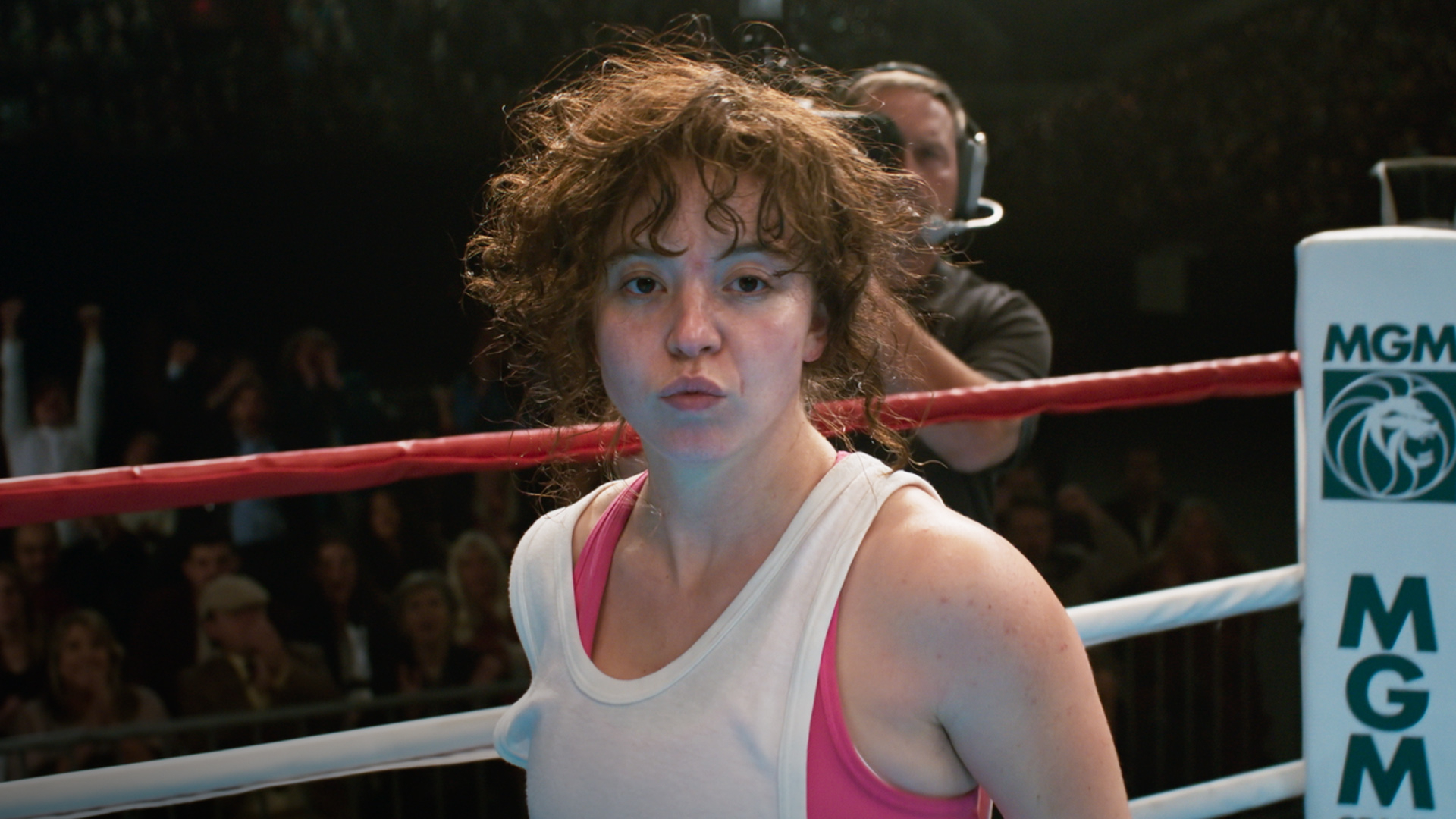
For Christy, however, it’s all instinct and intuition, something she frustratingly ignores outside of the ring. Flashing forward to 2010 and the cliché harbingers of a downward spiral are ready and waiting. Fewer bookings and a cocaine dependency that seems to have settled in for both husband and wife. But it is here that Christy steps out of the ring for a narrative southpaw. Those familiar with the story of the Martins will be ready for this gruelling shift. For the uninitiated, the dark threats that have littered the first two thirds coalesce into a grimly riveting ordeal that finds Michôd on familiar ground, harkening back to his earlier Australian pictures on the intersections of family and violence. Again, it is Partos’ sinuous underpinning that makes what unfolds so focused and shattering. Michôd is choosy with what he shows, ensuring the ordeal still packs a punch.
And, suddenly, Christy isn’t just another boxing picture, nor just another cookie cutter biopic. Granted, along the way it flops neatly into plenty of the pitfalls of both genres, and there are instances of uninspired dialogue that stack up as high as any laundry list of overfamiliar tropes. But the latter third reframes the whole as a stark confrontation with domestic violence. What started out as a by-the-numbers prestige picture reveals a second mandate; to be thought of as an inspirational tale of reclamation that sees Christy succeed in spite of numerous little slips.
Such earnest messaging is also the stuff of prestige pictures, and the cynic’s overview would be that this is just another for the pile. But there’s a nimbleness to the way Christy pivots from feeling like one kind of movie to being another. Sweeney buzzes in the central turn, particularly early on when Christy is learning her potential, only to dig into something more insular once the mood of the piece darkens. She’s ably supported on most sides with particular credit going to Ethan Embry who conveys much with relatively little as her tight-lipped father John.
Much like the film’s protagonist, conformity is where Christy comes to feel smothered and lifeless. It’s only when the constraints of formula are allowed to twist and flex that the picture comes to life, with urgency. It reacts just like its subject, with grit and perseverance. There’ll be many awards-hungry biopics this year (as every year) but maybe not so many as flinty and interesting as this one. Give it up for the underdog.

 The Lost Highway Hotel